The Science of Lawn Care: Tips for a Healthy and Resilient Grass May 17, 2026
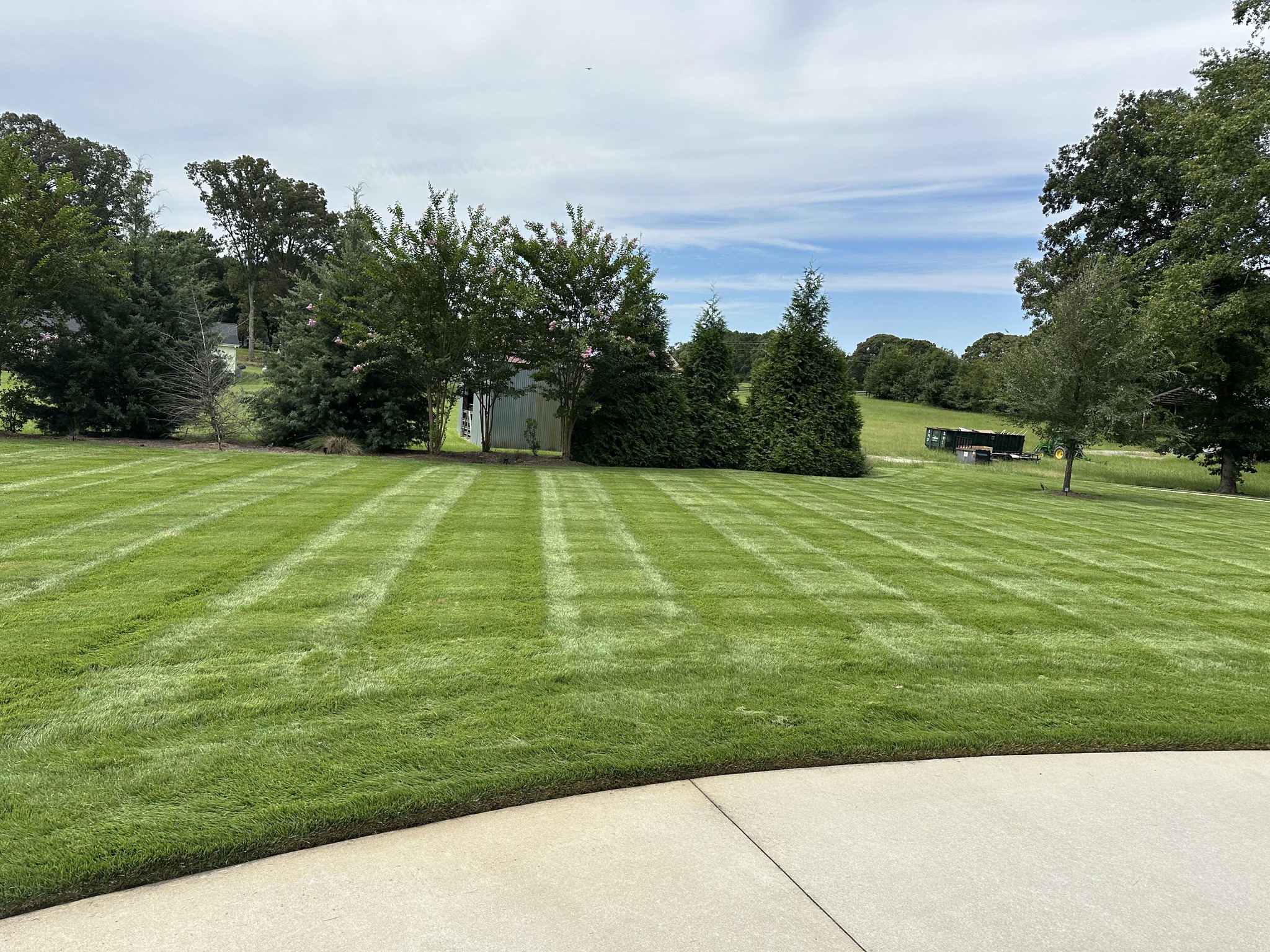
To begin with, appreciating the biology of grass helps in developing effective lawn care strategies. Grass, unlike many garden plants, grows from the base upwards. This means that regular mowing actually stimulates its growth by removing the older leaf tips and encouraging new shoots. The height at which grass is cut matters; a general rule of thumb is to follow the one-third rule: never cut more than one-third of the grass blade at a time. This ensures your lawn remains vigorous and reduces stress on the grass.
Next in line is understanding the importance of soil health. Healthy grass depends significantly on the quality and composition of the soil in which it is rooted. Aeration is vital, allowing water, nutrients, and oxygen to reach the root zone more effectively. Aeration is best performed in the fall before reseeding, as it alleviates soil compaction and enhances root development.
Watering practices are another critical factor in maintaining lawn health. While it might be tempting to frequently water your lawn, it's more beneficial to water deeply but infrequently. This technique encourages deep root growth, making your lawn more drought-resistant. Typically, lawns need about an inch of water per week, so adjust your watering schedule according to rainfall and seasonal demands.
Moreover, consistent fertilization can significantly impact the health of your grass. Fertilizers provide essential nutrients that might be lacking in your soil. A balanced fertilization program often sees three to four applications throughout the year, depending on your grass type. Be mindful to select fertilizers that match the nutrient requirements of your specific grass species for optimal results.
Weeds and pests are perpetual challenges in lawn care that require vigilant management. By maintaining dense and healthy turf, you create an environment that naturally resists pests and weeds. However, should they appear, swift action with appropriate treatments is essential. Opt for targeted herbicides and insecticides to address specific issues while minimizing environmental impact.
Seasonal care is equally important, as different lawn grasses have varying growth patterns. Warm-season grasses thrive in the summer, while cool-season grasses prefer the cooler weather of spring and fall. Tailor your lawn care regimen according to these growth cycles, ensuring that your interventions align with periods of active growth for maximum effect.
In conclusion, maintaining a thriving lawn requires a thoughtful approach grounded in the science of lawn care. By adhering to these principles, you will not only achieve a beautiful lawn but also one that is resilient to wear and adverse weather conditions. At CK Landscape and Lawn LLC, we are committed to supporting you every step of the way, offering expert services personalized to your landscape's unique needs. With dedication and proper care, your lawn can be the pride of your neighborhood.
/filters:no_upscale()/filters:format(webp)/media/1634c187-8379-4d3c-853d-93024b745443.jpg)
/filters:no_upscale()/filters:format(webp)/media/6d3dd525-a1ee-4e5f-9f03-c1004e5029b8.jpeg)